

Creating a Storybook Somewhere Between a Picture Book and a Chapter Book
When we first started creating this book, we realised quite quickly that it didn’t want to behave like a traditional picture book.
But it wasn’t exactly a chapter book either.
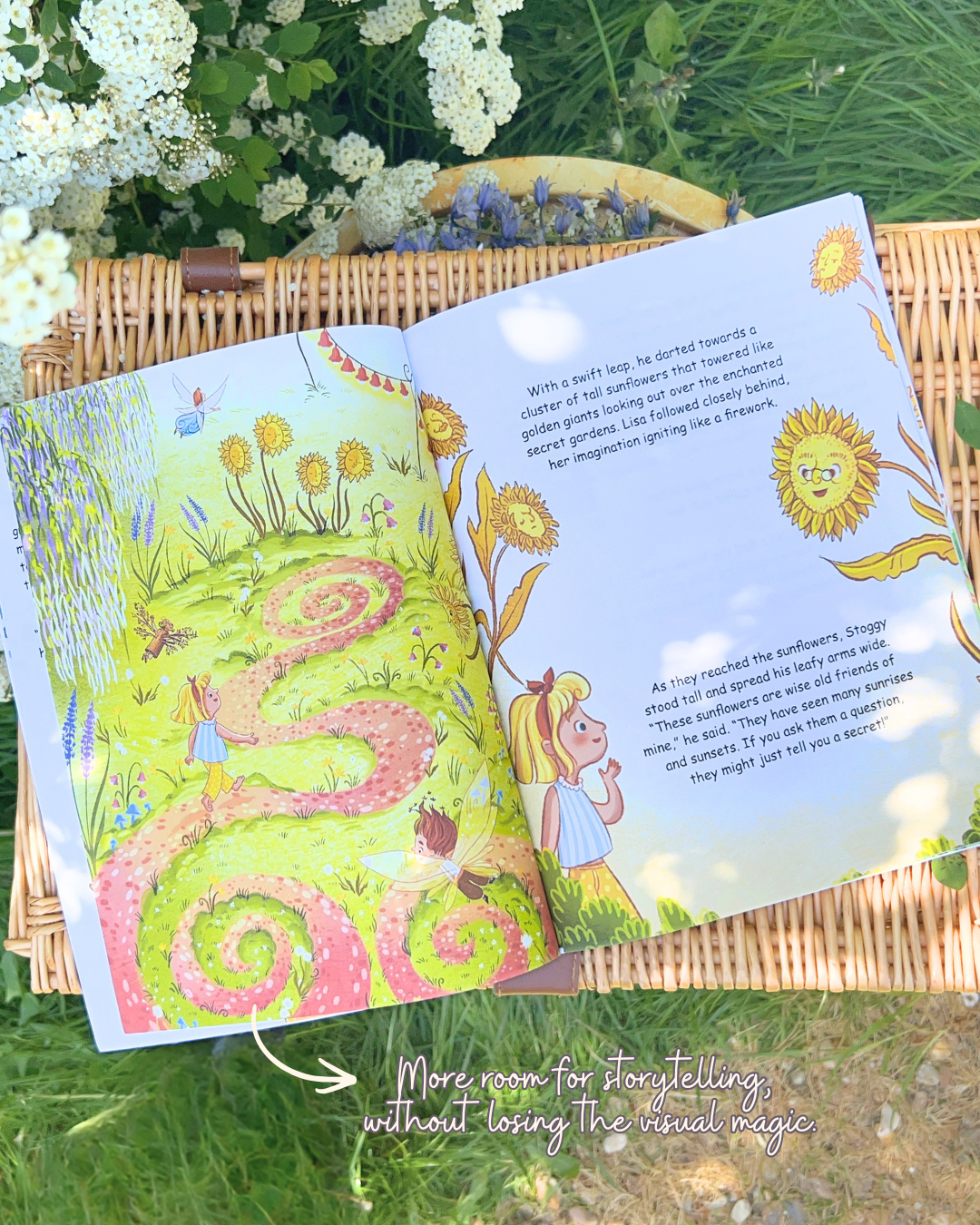
It wanted more room for storytelling.
More atmosphere.
More illustrations.
More space for children to properly settle into the world.
Somewhere along the way, we started calling it a storybook.
And honestly, I think self-publishing is what allowed us to create it this way in the first place.
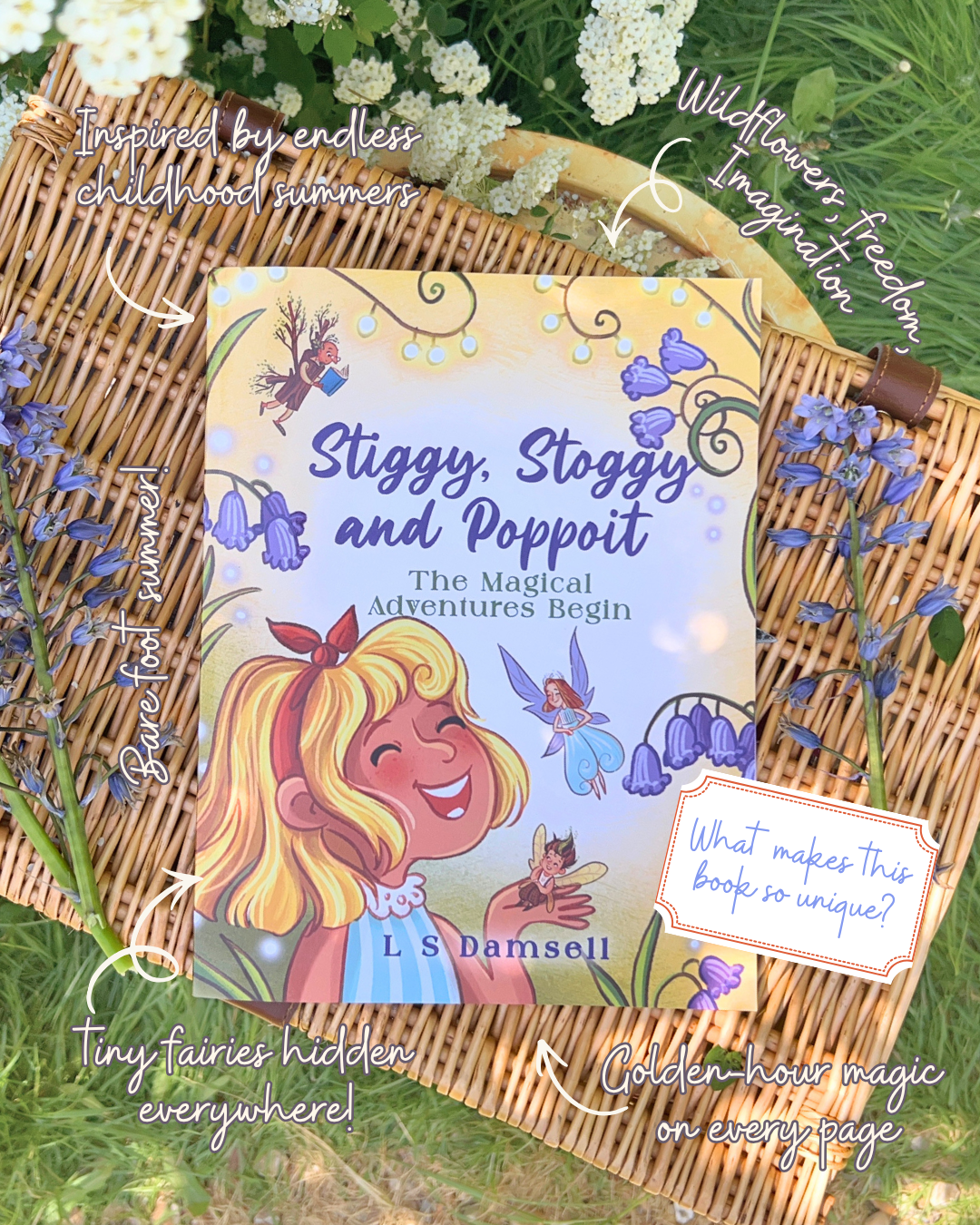
When a Children’s Book Doesn’t Fit Neatly Into One Category
One of the things I love most about self-publishing children’s books is the creative freedom it gives both authors and illustrators.
Traditional publishing categories exist for good reason, of course. Picture books, chapter books, middle-grade novels… they all help guide readers and publishers.
But sometimes a story naturally falls somewhere in-between.
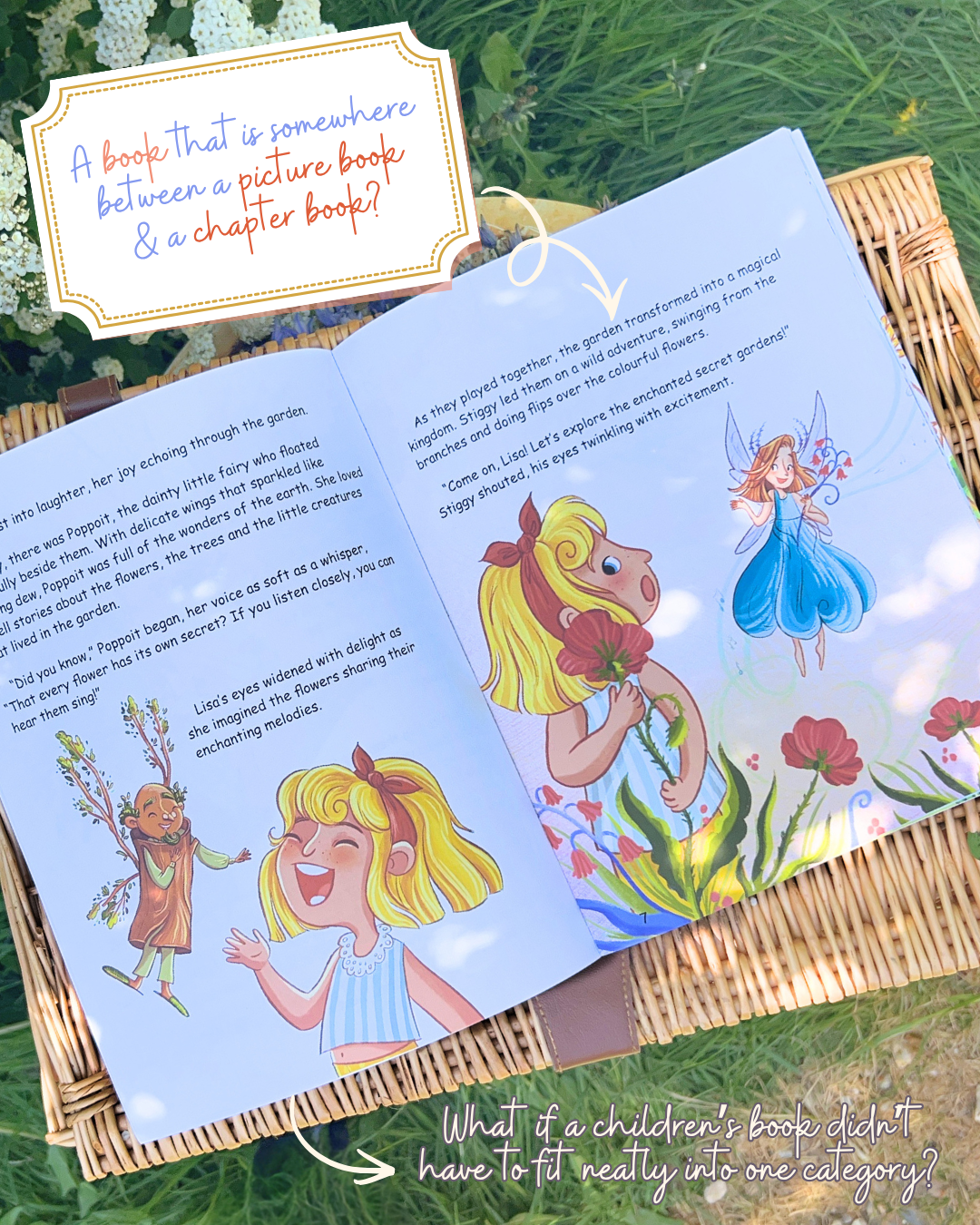
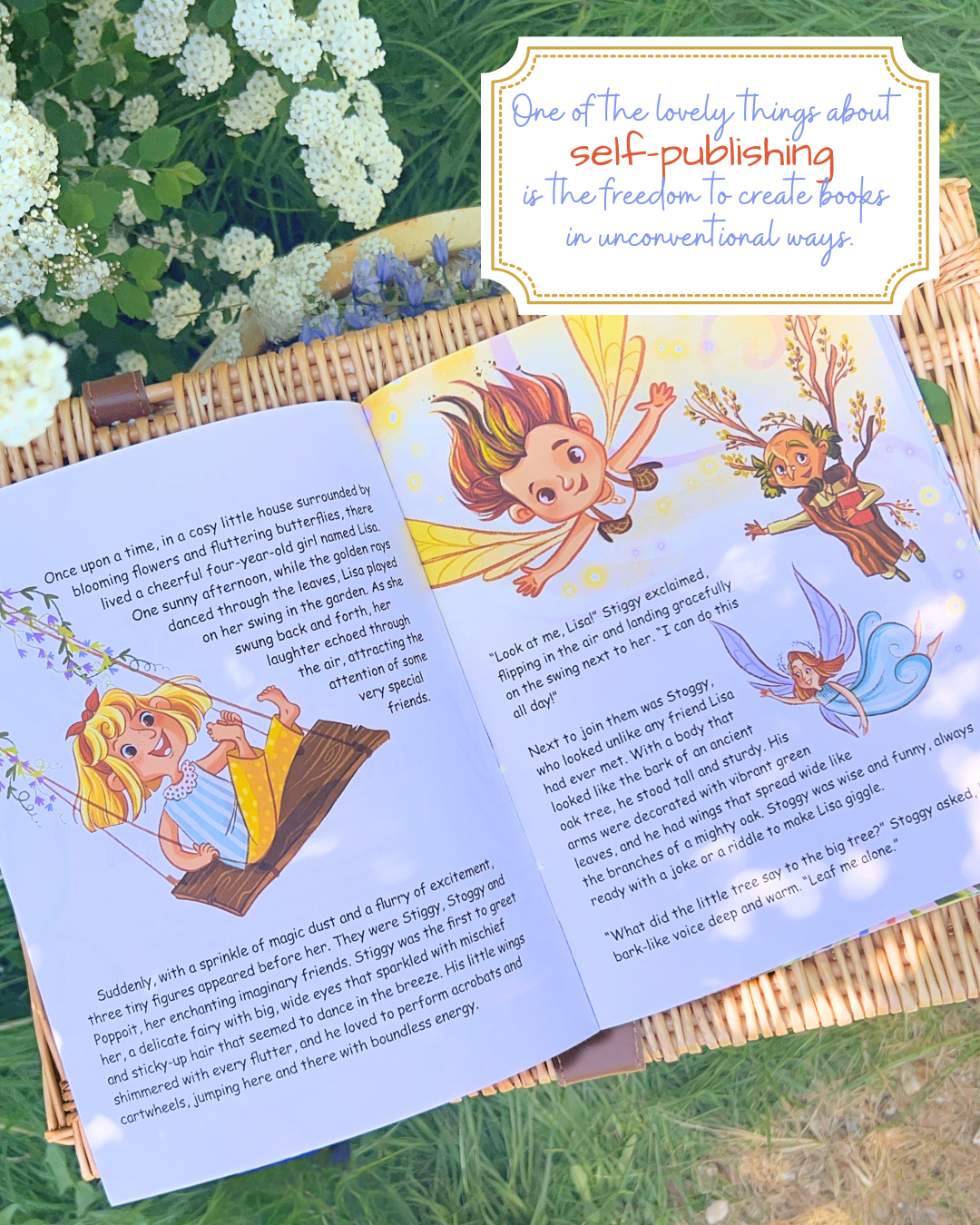
This particular book wanted the immersive visual atmosphere of a picture book, while also allowing more room for storytelling and world-building.
We didn’t want the illustrations to disappear after the first few pages.
But we also didn’t want to limit the story to a very short picture book format.
So instead of forcing the book into a strict category, we allowed the project itself to guide the format.
And I think that freedom is one of the most beautiful parts of independent children’s book publishing.
Creating a Hybrid Between a Picture Book and a Chapter Book
As a children’s book illustrator, I often think about how illustrations shape the emotional experience of reading.
Children don’t only remember plots.
They remember feelings. Atmosphere. Colours. Tiny visual details.
The sense of entering a world. That’s why this format felt so exciting to work on.
The book contains more text than a traditional picture book, but it still keeps a strong visual presence throughout the story. The illustrations are woven into the reading experience rather than simply decorating it.
In many ways, it became a bridge between a chapter book and a picture book.
Or maybe simply: a storybook.
A format that allows children to transition into longer stories without losing the visual magic that often makes them fall in love with books in the first place.
Why Self-Publishing Allows More Creative Freedom
I genuinely think some of the most interesting children’s books appear when creators stop worrying quite so much about fitting perfectly inside existing publishing boxes.
Self-publishing allows authors and illustrators to experiment more freely with:
format
pacing
illustration placement
storytelling structure
visual atmosphere
And sometimes that creative freedom leads to books that feel deeply personal and memorable.
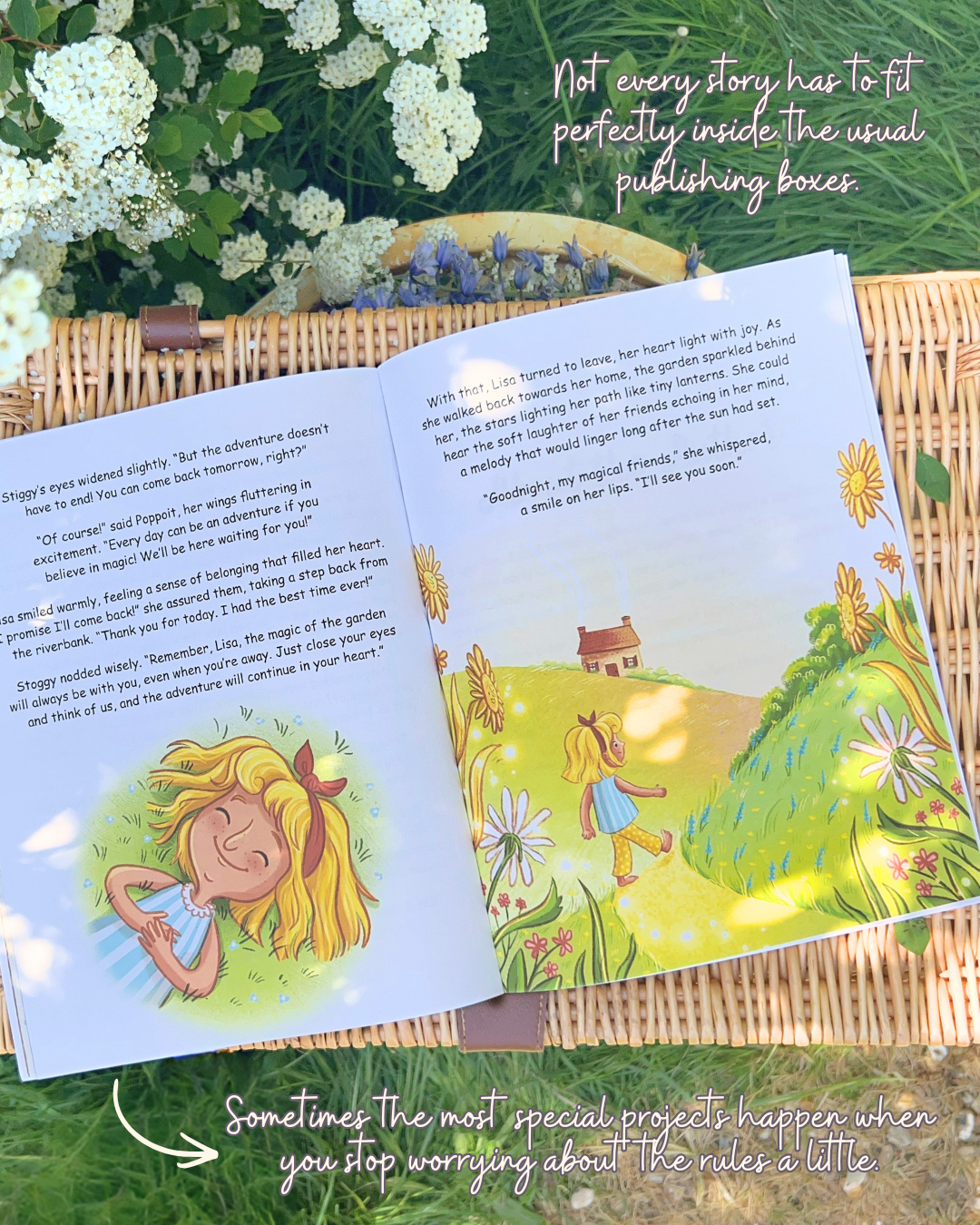
This project reminded me that not every story needs to follow the exact same structure as every other book on the shelf. Some stories need a little more room to unfold. Some worlds deserve to breathe a little more.
And sometimes the most magical projects happen when you allow yourself to colour slightly outside the lines.
Why Atmosphere Matters So Much in Children’s Books
One thing I care deeply about as an illustrator is atmosphere.
Especially in children’s books. Children experience stories very emotionally and visually. Often, what stays with them years later is not necessarily every detail of the plot, but the feeling the book created. The feeling that the world inside the pages was somehow real.
For this particular project, we leaned heavily into:
warm golden tones
dreamy summer lighting
flowers and nature
whimsical details
imaginative world-building
I wanted the illustrations to feel nostalgic and immersive, almost like remembering a childhood summer dream.
And because the format allowed for more illustrations throughout the book, that atmosphere could remain present from beginning to end.
Final Thoughts on Self-Publishing Children’s Books
One of my favourite things about self-publishing is that it creates space for unconventional books.
Books that care deeply about atmosphere.
Books that blend formats.
Books that unfold more slowly.
Books that feel personal.
Books that quietly do their own thing.
As both an illustrator and creative collaborator, I find those projects incredibly exciting to work on. Because sometimes the stories children remember most are not necessarily the ones that followed every publishing rule perfectly… but the ones that made them feel something.
Looking for a Children’s Book Illustrator?
If you’re currently working on a self-published children’s book and looking for an illustrator, you can explore my portfolio and illustration work here.
I love collaborating closely with authors to create immersive, atmospheric children’s books filled with warmth, storytelling, and visual magic.
